Managing Hard Rubbish Collection Solutions in Perth
Managing waste effectively is a crucial part of maintaining a clean and sustainable environment. When it comes to disposing of bulky items that do not fit into regular bins, hard rubbish collection plays a vital role. In Perth, businesses and organizations have access to various hard rubbish collection solutions designed to handle large waste responsibly. This post will guide you through the best practices for managing hard rubbish collection, ensuring your waste management aligns with sustainable and ethical standards.
Understanding Hard Rubbish Collection Solutions
Hard rubbish collection solutions refer to services and strategies that help dispose of large, bulky waste items such as old furniture, appliances, and other non-regular waste. These items are often too big or heavy for standard waste bins and require special handling.
Many local councils and private companies offer scheduled hard rubbish collections, where residents and businesses can place their unwanted items on the curb for pickup. However, for organizations prioritizing sustainability, it is essential to choose solutions that focus on recycling, reusing, and minimizing landfill waste.
Some effective hard rubbish collection solutions include:
Scheduled curbside pickups: Arranged by local councils or private providers, these services collect bulky waste on specific days.
Drop-off centers: Facilities where businesses can bring their hard rubbish for sorting and recycling.
On-demand collection services: Flexible options that allow businesses to schedule pickups as needed.
Donation and reuse programs: Items in good condition can be donated to charities or repurposed, reducing waste.
By selecting the right combination of these solutions, businesses can manage their hard rubbish efficiently while supporting environmental goals.

How to Choose the Right Hard Rubbish Collection Solutions
Choosing the right hard rubbish collection solution depends on several factors, including the volume of waste, type of items, and sustainability goals. Here are some practical steps to help you decide:
Assess Your Waste
Conduct a waste audit to identify the types and quantities of hard rubbish your business generates. This will help determine the frequency and type of collection service needed.
Check Local Council Services
Many councils in Perth offer free or low-cost hard rubbish collection services. Review their schedules and guidelines to see if they meet your needs.
Consider Private Providers
Private companies often provide more flexible and tailored services, including recycling and donation options. Look for providers with strong environmental credentials.
Prioritize Recycling and Reuse
Choose solutions that emphasize diverting waste from landfill. Ask providers about their recycling rates and partnerships with charities or recycling centers.
Plan for Compliance
Ensure your waste management practices comply with local regulations and environmental standards.
Budget Wisely
Compare costs and services to find a solution that fits your budget without compromising sustainability.
By following these steps, you can implement a hard rubbish collection strategy that supports your organization’s environmental responsibility.
Can I Put Clothes in Hard Rubbish?
A common question when managing hard rubbish is whether clothes can be included in the collection. The answer depends on local council policies and the condition of the clothes.
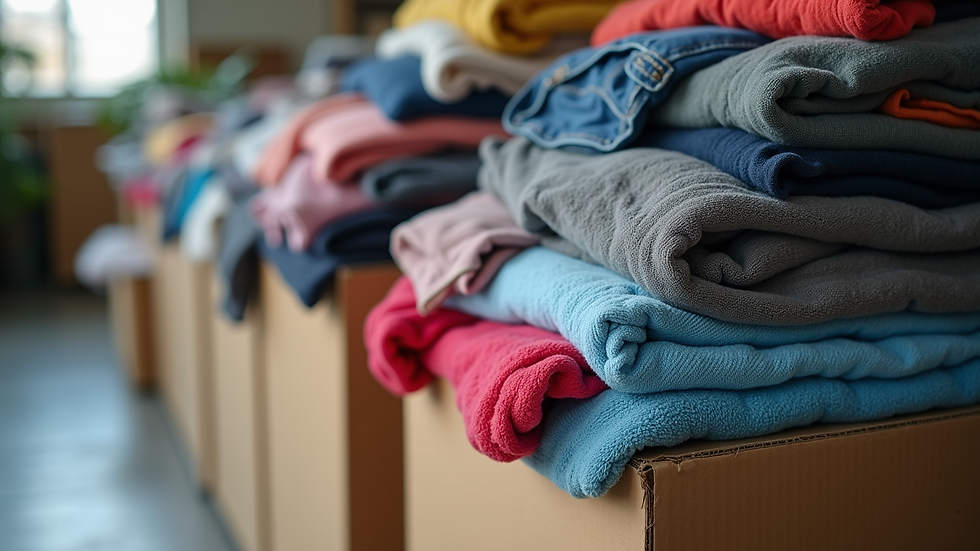
Generally, clean and wearable clothes should not be placed in hard rubbish. Instead, consider donating them to charities or clothing recycling programs. This approach supports reuse and reduces landfill waste.
If clothes are damaged or unsuitable for donation, some councils may accept them in hard rubbish collections, but it is best to check specific guidelines. Placing clothes in regular hard rubbish bins can sometimes contaminate recyclable materials, so proper sorting is essential.
Here are some tips for managing unwanted clothes:
Donate wearable clothes to local charities or clothing bins.
Recycle textiles through specialized recycling programs.
Dispose of unusable clothes according to council instructions, which may include placing them in hard rubbish collections if allowed.
By handling clothes responsibly, businesses can contribute to a circular economy and reduce environmental impact.
Best Practices for Preparing Hard Rubbish for Collection
Proper preparation of hard rubbish ensures efficient collection and maximizes recycling opportunities. Here are some best practices to follow:
Sort Items by Material
Separate items into categories such as metal, wood, plastic, and electronics. This helps collection services recycle more effectively.
Remove Hazardous Materials
Items containing hazardous substances like batteries, chemicals, or asbestos require special disposal. Do not include these in hard rubbish collections.
Disassemble Large Items
Break down bulky furniture or appliances to make handling easier and improve space efficiency.
Clean Items When Possible
Clean items to avoid contamination and make them suitable for reuse or recycling.
Label Items Clearly
If certain items are for donation or recycling, label them to guide collection workers.
Follow Collection Guidelines
Adhere to your local council or provider’s instructions regarding placement, timing, and item restrictions.
Implementing these practices will streamline your hard rubbish collection process and support sustainable waste management.
The Role of Sustainable Hard Rubbish Collection in Business Responsibility
Sustainability is no longer optional for businesses; it is a responsibility. Managing hard rubbish collection sustainably reflects a commitment to environmental stewardship and social responsibility.
By choosing eco-friendly hard rubbish collection solutions, businesses can:
Reduce landfill waste by maximizing recycling and reuse.
Support community programs through donations and partnerships.
Enhance corporate reputation by demonstrating environmental leadership.
Comply with regulations and avoid penalties.
Contribute to a circular economy by keeping materials in use.
For example, partnering with a 100% Aboriginal-owned enterprise that focuses on ethical waste management can strengthen community ties and promote social inclusion.
In Perth, hard rubbish collection perth services that prioritize sustainability are increasingly available. Selecting such services aligns with broader business goals of reducing environmental impact and fostering community engagement.
Moving Forward with Responsible Hard Rubbish Management
Managing hard rubbish collection effectively requires planning, knowledge, and commitment to sustainability. By understanding available solutions, preparing waste properly, and prioritizing reuse and recycling, businesses can make a significant positive impact.
Remember to:
Regularly review your waste management practices.
Engage with reputable and environmentally conscious providers.
Educate your team about proper disposal methods.
Explore opportunities for donation and recycling.
Taking these steps will help your organization maintain a clean, sustainable environment while fulfilling its social and ethical responsibilities.
Sustainable hard rubbish collection is not just about waste disposal - it is about creating a better future for the community and the planet.
Thank you for reading. If you want to learn more about sustainable waste management solutions in Perth, consider exploring local services that align with your values and goals.


Comments